
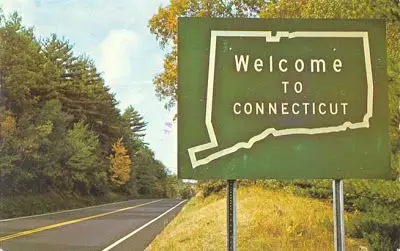
Connecticut officials made a new move against prediction platforms after issuing fresh cease-and-desist notices. The push targets companies offering sports event contracts without a state license, yet the road ahead may not be simple as one operator already fired back through federal court.
Good to Know
- Connecticut sent notices to Kalshi, Robinhood, and Crypto.com in an effort to curb unlicensed sports wagering
- The state argues that prediction markets advertised legality even while offering wagers to protected groups
- Kalshi filed a countersuit claiming federal law overrides the state stance
Connecticut Targets Unlicensed Online Wagering
The Connecticut Department of Consumer Protection announced three cease-and-desist orders aimed at companies it views as operating outside the state gaming rules. The letters targeted Kalshi, Robinhood, and Crypto.com, focusing mainly on sports wagering activity offered without a Connecticut sports betting license.
State regulators argued that these platforms crossed several lines. Officials cited promotions directed toward individuals under 21 and individuals enrolled in Connecticut voluntary self-exclusion program. Regulators also raised concerns about marketing language that could lead users to assume the platforms comply with state regulations.
Kris Gilman, gaming director of the department, stated:
New players only. Exclusive Welcome Bonus of 350% + 150 Free Spins
“These platforms are deceptively advertising that their services are legal, but our laws are clear. They are also operating outside of a regulatory environment, posing a serious risk to consumers who may not realize wagers placed on these illegal platforms offer no protections for their money or information. A prediction market wager is not an investment.”
Consumer Protection Concerns Drive the State Action
Connecticut noted that platforms functioning outside state compliance frameworks do not follow technical standards, leaving personal data, deposited funds, and payouts without formal oversight. Regulators warned that users might face withheld winnings, unclear dispute processes, or even situations where insiders influence outcomes or place wagers tied to inside knowledge.
The department contends that these gaps create exposure that licensed sportsbook operators do not face due to state rules, audits, and responsible gaming requirements.
Kalshi Pushes Back in Federal Court
While Connecticut moves to restrict access to prediction markets, Kalshi responded immediately with legal action. The platform filed a countersuit in federal court asserting that Connecticut cannot enforce the cease-and-desist because sports event contracts fall under the Commodities Exchange Act, placing authority with federal regulators rather than individual states.
New players only. Exclusive Welcome Bonus of 350% + 150 Free Spins
Kalshi already tested this strategy in other jurisdictions. The company launched similar actions in New York and Ohio as part of its wider plan to offer sports event contracts nationwide without the traditional licensing framework used in sportsbook regulation.